The Importance of High Quality Panko
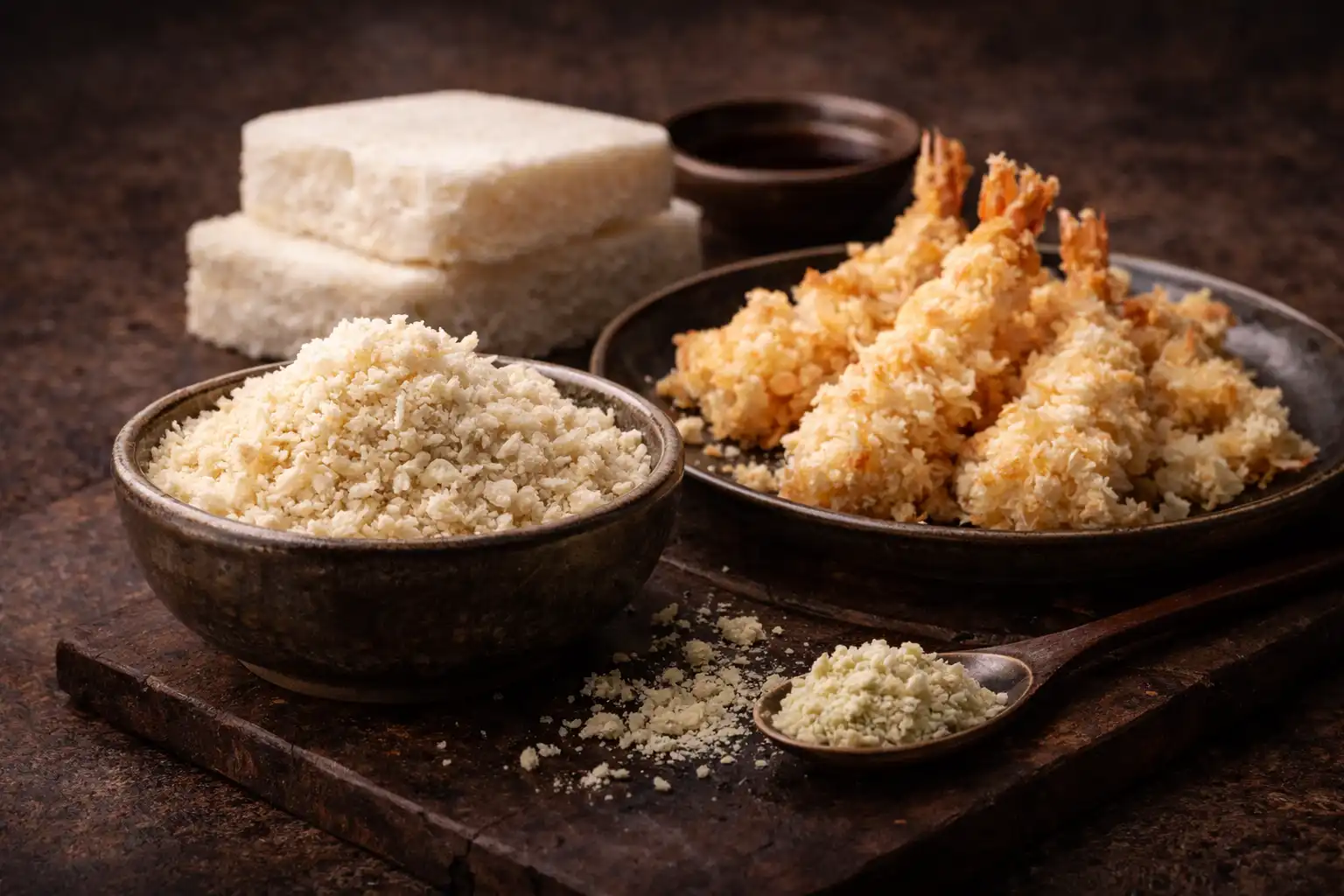
In Japanese cuisine, panko is much more than a simple bread crumb—it is a defining element in texture, presentation, and overall eating experience. Known for its lightness and crispiness, panko is a high value-added ingredient that plays a crucial role in dishes such as tempura-style preparations and breaded seafood.
Authentic Japanese-style panko is traditionally produced using a specialized baking process that creates crustless bread, resulting in large, airy, and irregular flakes. This unique structure allows panko to absorb less oil during frying, delivering a lighter, crispier texture with a clean bite and golden appearance – a hallmark of high-quality fried dishes in Japanese cuisine.
However, not all panko products available in the market meet these standards. Lower-quality alternatives are often made from conventional bread crumbs, producing dense, uniform particles that absorb more oil and result in a heavier, greasier texture. This directly impacts the final dish, leading to less crispiness, darker coloration, and a less refined mouthfeel.
From an operational standpoint, quality differences are even more evident. Inferior panko tends to break down more easily, lacks consistency in coating, and may produce uneven frying results, which can compromise presentation and increase waste in professional kitchens. In contrast, premium panko provides excellent adhesion, consistent coverage, and stable performance, ensuring efficiency and uniformity in every preparation.
High-quality panko also contributes to a superior visual appeal. Its distinctive flake structure creates a light, golden crust that enhances the perceived quality of the dish – an essential factor for restaurants and food service operations focused on delivering premium experiences.
At Takarae Group, we recognize that texture is just as important as flavor. That is why our proprietary brand of panko is developed with strict quality standards, carefully selected ingredients, and trusted production partners, ensuring a product that consistently delivers the lightness, crispiness, and performance expected by professional kitchens.
Because in every perfectly crispy bite, quality is not just seen – it is experienced.