The Importance of High Quality Sushi Ginger
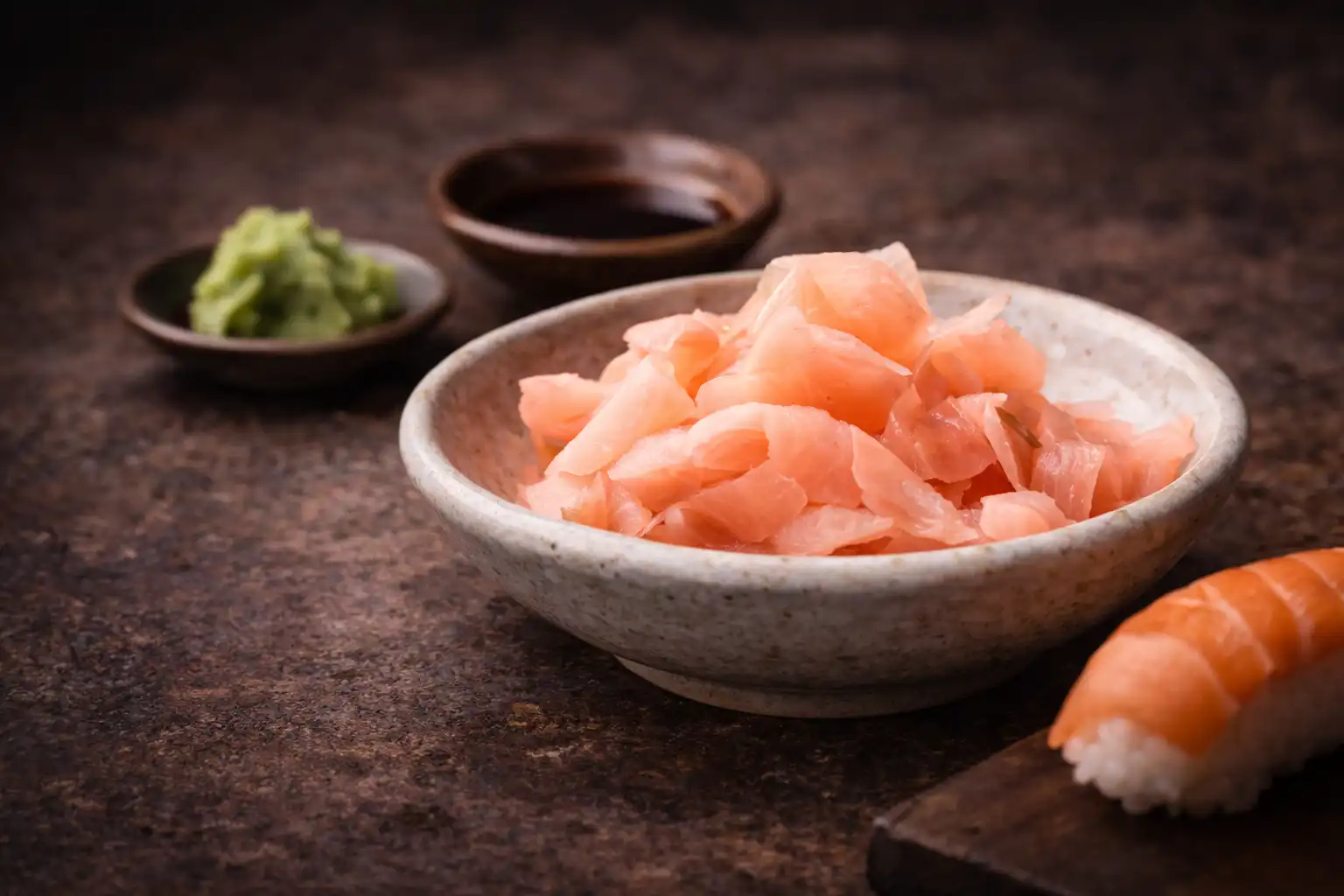
Often underestimated, sushi ginger (gari) plays a fundamental role in the Japanese dining experience. More than just a side accompaniment, it is a high value-added product designed to cleanse the palate between bites, enhancing the appreciation of each piece of sushi.
In traditional Japanese cuisine, sushi ginger is carefully prepared using young ginger roots, which are naturally tender, mildly spicy, and slightly sweet. According to Japanese culinary standards, high-quality gari should have a delicate texture, a balanced sweet-and-acidic flavor, a clean aroma, and a naturally light color that may range from pale yellow to soft pink, depending on the variety and preparation method. The best products are thinly sliced and maintain a smooth, almost silky consistency.
However, there is a significant variation in quality across the market. Lower-grade sushi ginger is often produced using older, more fibrous roots or processed with excessive additives. In many cases, artificial coloring is used to intensify the pink tone, masking inferior raw materials. This results in overly strong acidity, harsh texture, uneven slices, and an artificial aftertaste, which can negatively impact the overall dining experience.
From an operational standpoint, poor-quality sushi ginger can also affect presentation and efficiency. Thick, rigid, or uneven slices are harder to portion and plate, while excessive moisture or inconsistent cuts may lead to waste and reduced product yield in professional kitchens.
In contrast, premium sushi ginger offers consistency, visual appeal, and a refined flavor profile, complementing sushi without overpowering it. It enhances the customer experience by providing a clean, refreshing transition between flavors – exactly as intended in authentic Japanese dining.
At Takarae Group, we recognize that even the smallest details can make a significant difference. That is why our proprietary brand of sushi ginger is developed with strict quality standards, carefully selected raw materials, and trusted production partners, ensuring a product that meets the expectations of chefs, distributors, and food service professionals.
Because in Japanese cuisine, true quality is found not only in the main ingredient—but in every detail that surrounds it.